
Blog
Five Years vs. Five Days: What Parametric Insurance Changes About Catastrophe Claims
- By: PRMA
- On: 03/05/2026 12:28:11
- In: Learning & Professional Development
- Comments: 0
What if insurance paid out based on the event itself... not months or years later after proving the damage?
Improved data, better catastrophe modeling, and new market capacity have transformed parametric insurance from a niche concept into a practical tool advisors are actively deploying. Especially as climate-driven events like wildfire, hurricanes, and severe storms continue to reshape the traditional property market.
During PRMA's recent webinar, Parametric 2.0, Brenden Beeg (Amwins), Taimur Chaudri (Arbol), and Megan Linkin (Swiss Re) unpacked how parametric insurance actually works, when it makes sense, and why it's becoming an increasingly important piece of the risk management toolkit.
And the easiest way to understand it might come down to two simple ideas.
First: it's not apples to apples.
Second: it's basically an “if–then” statement.
Let's start there.
The “If–Then” Logic of Parametric Insurance
Traditional insurance is built around proving a loss.
Parametric insurance flips that model on its head. Instead of paying based on verified damage, parametric insurance pays when a predefined event occurs. For example:Damage occurs → A claim is filed → An adjuster evaluates the loss → A payout is calculated
- If wind speeds exceed a certain threshold
- If an earthquake causes a defined level of ground shaking
- If wildfire activity intersects a specific property boundary
The trigger itself is verified using objective third-party data sources, such as weather stations, satellite measurements, or public catastrophe datasets. Once the event is confirmed, the payout—already agreed upon in advance—can be released quickly, sometimes within days.
That simplicity is one of the reasons parametric coverage resonates with high-net-worth clients. Instead of debating repair estimates or waiting months for a claims decision, the contract already defines what happens.
Why the Apples-to-Oranges Comparison Matters
One of the most common mistakes advisors make when evaluating parametric coverage is trying to compare it directly with traditional property insurance. But that's like comparing apples to oranges.Traditional property insurance is designed to restore property after damage occurs. Parametric insurance is designed to provide rapid liquidity when a catastrophe event happens.
That difference changes the value proposition entirely. Because parametric payouts are not tied strictly to physical damage, they can be used for a wide range of costs that traditional policies may not cover, such as:
- Operational disruptions
- Emergency mitigation efforts
- Debris removal
- Temporary relocation
- Deductible buy-downs
- Business interruption or supply chain disruption
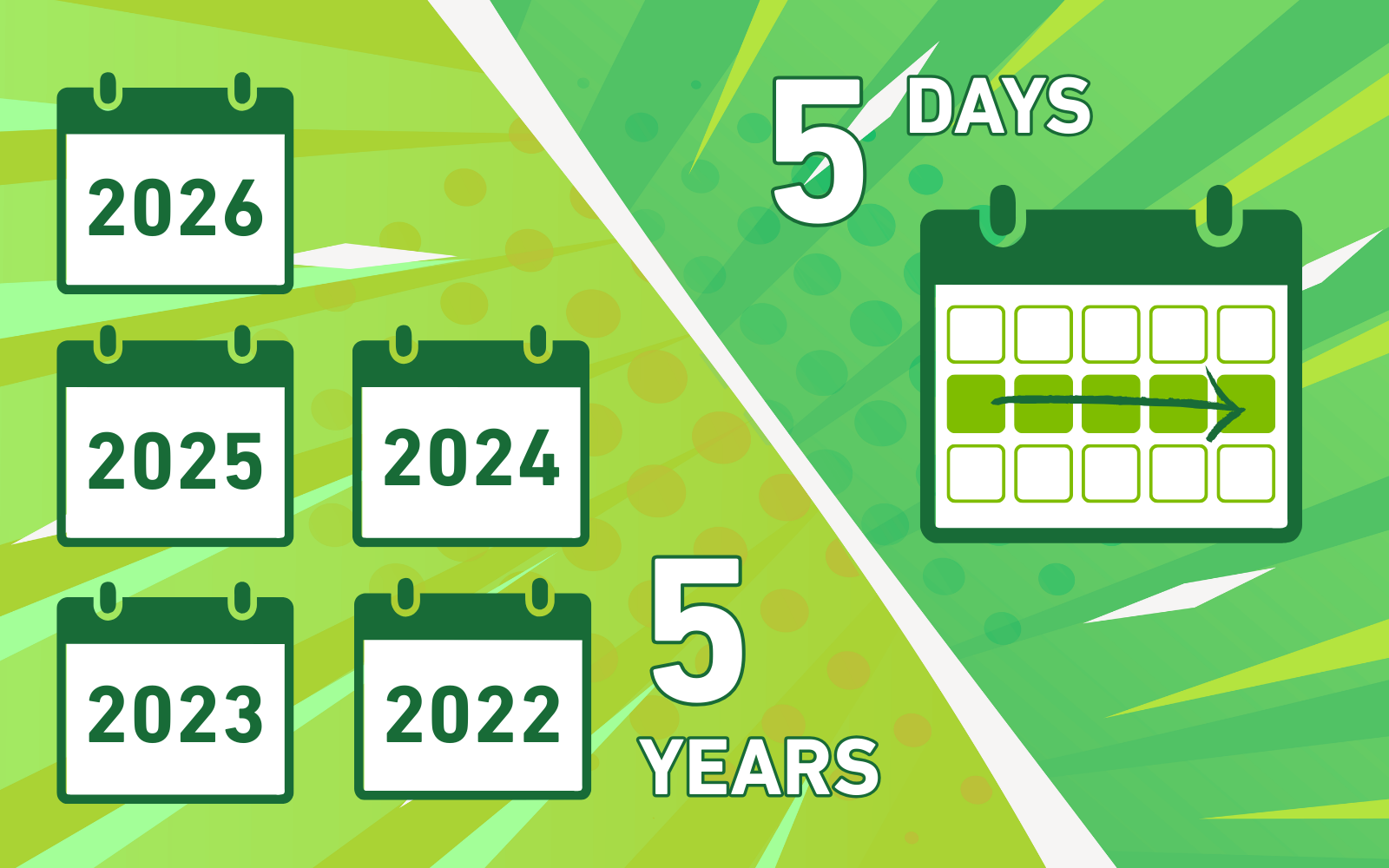
A Real-World Example: Five Years vs. Five Days
During the webinar, one story from Swiss Re Corporate Solutions' Megan Linkin perfectly illustrated the difference between parametric and traditional claims timelines.She described an earthquake event in Utah that triggered a parametric policy. The payout was processed and deposited into the client's account within about a month.
Years later, she spoke with a broker about that same earthquake. The broker recognized the event immediately because she had just finished closing a traditional claim from that same earthquake.
The catch?
It was five and a half years after the event.
That contrast highlights one of the defining advantages of parametric coverage: speed and liquidity when it matters most.“We paid the parametric claim within about 30 days of the earthquake. When I mentioned it to a broker recently, she said she had just closed a traditional claim from that same event — five and a half years later.”
— Megan Linkin, Swiss Re Corporate Solutions
A Common Question: Do You Need Actual Damage for a Payout?
One of the biggest points of confusion during the webinar centered on how payouts actually work. The answer is: it depends on the policy structure.Some parametric programs trigger purely based on the predefined event. If the measurable threshold occurs—such as wind speeds exceeding a certain level or wildfire activity intersecting a defined property boundary—the payout may be issued even if there is no physical damage.
Other policies are written as insurance contracts that require the insured to certify that a loss or financial impact occurred before payment is finalized. In those cases, the insured typically signs a simple attestation of loss, confirming the event caused economic impact.
Either way, the key distinction remains the same: Parametric insurance removes the lengthy damage-adjustment process that traditional claims require.
Why Parametric Is Often Supplemental for High-Net-Worth Clients
In the high-net-worth space, parametric insurance is rarely a replacement for traditional coverage. Instead, it's most commonly used as a supplemental solution.Advisors are increasingly using parametric coverage to address areas where traditional policies struggle, such as:
- Large catastrophe deductibles
- Sub-limited exposures (like landscaping, vineyards, or specialty assets)
- Business interruption or operational disruptions
- Capacity shortages in catastrophe-prone regions
The result isn't a replacement policy, it's a layer that strengthens the overall risk strategy.
What Should Advisors Do If They Think a Client Might Benefit?
If a client appears well suited for parametric coverage, advisors can take a few simple steps to explore whether it makes sense.
- Define the objective. Determine what gap the client is trying to solve... deductible exposure, catastrophe exclusions, liquidity after events, or operational risk.
- Engage a specialist early. Parametric teams at wholesalers or carriers can model solutions based on the client's location, exposures, and existing program.
- Understand the trigger structure. Review what event data will activate the policy and how the thresholds are defined.
- Evaluate the carrier and modeling. Confirm the financial strength of the risk taker and the reliability of the data sources used.
- Assess the broader program impact. Consider how parametric fits alongside the traditional insurance program and affects total cost of risk.
The Bottom Line
Parametric insurance isn't meant to replace traditional coverage. But in a world where catastrophe risk is rising and insurance markets are evolving, it's becoming an increasingly valuable tool.For advisors working with sophisticated clients, the question is no longer “What is parametric insurance?” It's “Where does parametric fit in the overall strategy?”
Watch the Full Webinar
To hear the full discussion and additional case examples, watch the recording of PRMA's Parametrics 2.0 webinar.You can also download the companion educational asset:
Understanding Parametric Insurance: A Practical Comparison with Traditional Insurance.
Brenden Beeg
Brendan leads Amwins' marketing, placement and design of parametric solutions for corporates and individuals across natural catastrophes, severe weather, and novel risk exposures.
Prior to joining Amwins, Brenden served as a distribution leader for Tokio Marine Group subsidiaries, based in Honolulu. He co-led the development of the first parametric hurricane product in Hawaii, designed for island residents to access emergency relief in the immediate aftermath of a named windstorm event. He also spent time at Aon where he brokered complex construction casualty and property CAT risks.
Following his tour in Hawaii, Brenden dove into the parametric insurtech ecosystem, where he was a distribution manager in North America for a global climate-focused MGA. Most recently, he spearheaded the build-out of the parametric wholesale brokerage arm at Plover Parametrics, which was acquired by Amwins in April 2025.
Taimur Chaudhri
Taimur is Head of Insurance Sales at Arbol. Taimur was a reinsurance underwriter for AmericanAg where he managed an international and domestic book of property catastrophe treaty business. Formerly he was the lead parametric insurance underwriter at Kettle, a wildfire re/insurance MGA. Taimur holds the CPCU, ARe, AINS designations and is a licensed P&C producer.
Megan E. Linkin, Ph.D., CCM Expert Parametric Nat Cat Structurer at Swiss Re Corporate Solutions
Disclaimer: All content and materials are the property of the Private Risk Management Association (PRMA) and Subject-Matter-Experts working on behalf of PRMA. Information and practices are included in the material; however, the Private Risk Management Association makes no representations or warranties with respect to the fitness or suitability of the educational content for any particular purpose beyond providing insights and information on topics of interest to the membership that require further review. The information contained is not intended and should not be construed as a recommendation for a specific client coverage or solution. Neither the Private Risk Management Association nor any expert or author providing educational content to PRMA shall be liable for any loss of profit or any commercial damages, including but not limited to special, incidental, consequential or other damages.
Comments
There have been no comments made on this article. Why not be the first and add your own comment using the form below.
Leave a comment
Commenting is restricted to members only. Please login now to submit a comment.