
Blog
What It Means to Be a Trusted Partner in the Family Office World
- By: PRMA
- On: 06/15/2026 17:19:05
- In: PRMA Insights
- Comments: 0

For advisors serving affluent families, the real question is not whether coverage exists. It is whether the risk structure aligns with the full complexity of what a family has built.
What It Means to Be a Trusted Partner in the Family Office World
Within the family office ecosystem, risk management is not a line item. It is a coordinating function that touches estate planning, investment structure, domestic staffing, travel, cybersecurity, and an increasingly complex picture of physical assets that may have appreciated well beyond what a family expects.
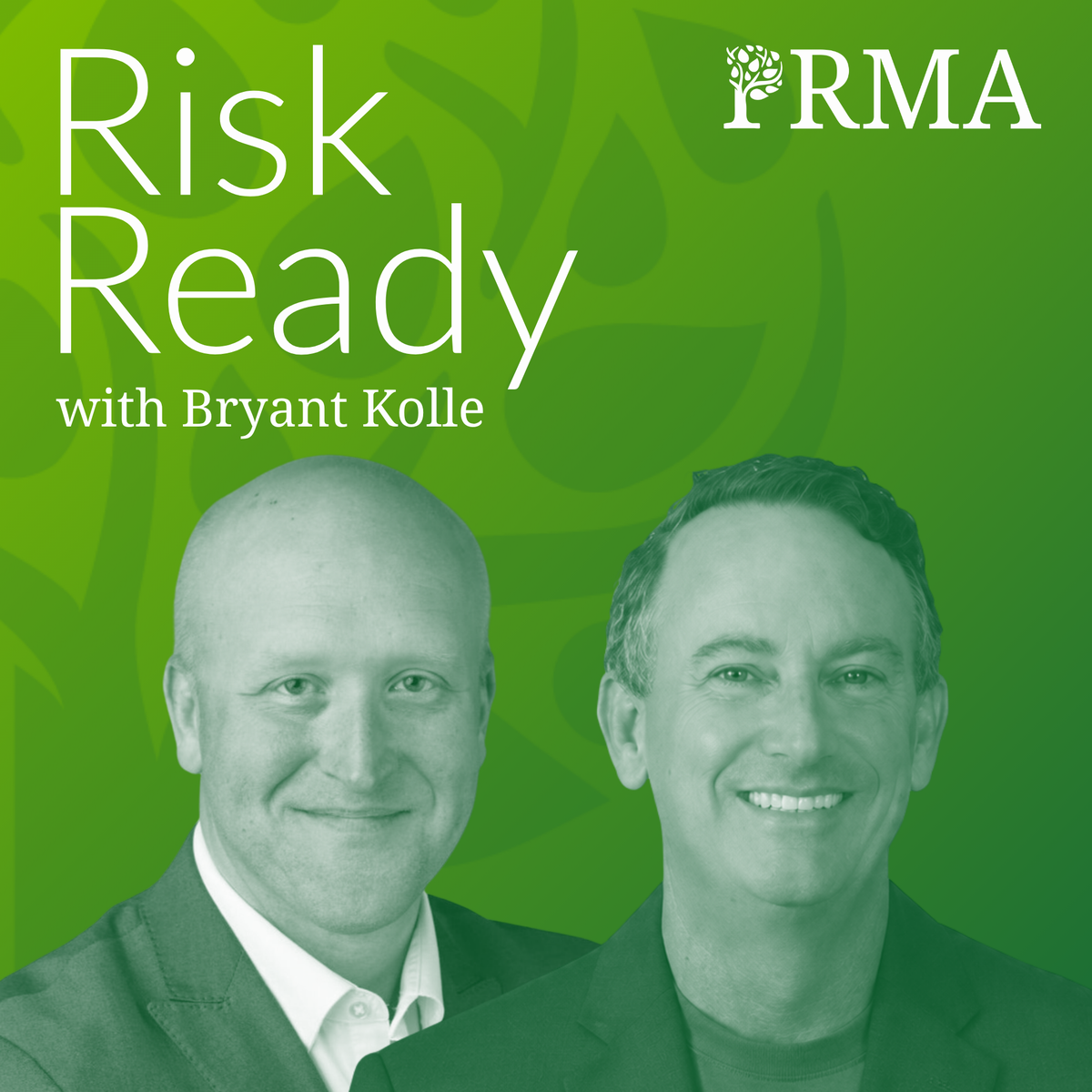
For insurance professionals, that context changes the conversation entirely. The question is no longer whether a family has coverage. It is whether their risk structure aligns with the totality of what they have built, what they value, and who depends on them. Tom Ruggie, founder and CEO of Destiny Family Office, joined PRMA's Risk Ready podcast to share how he thinks about that alignment and what he expects from the advisors he brings into a client's life.
Risk Management Has Evolved, and So Has the Role
The fundamentals of private risk management have not disappeared. But the scope of what advisors need to understand has expanded significantly. Affluent families today carry exposure across high-end vehicles, private aircraft, yachts, art, wine, sports memorabilia, and other collectibles whose values have appreciated dramatically over the past decade. Add cybersecurity threats, reputational risk amplified by social media, domestic staffing liability, and international travel considerations, and the picture becomes clear: a policy-by-policy approach is no longer sufficient.
Ruggie speaks to this from personal experience. After reviewing his own estate documents, he discovered that his collectibles portfolio had grown roughly ten times in value over ten years. His coverage had not kept pace. His family had no clear inventory, no valuation record, and no plan for what would happen if something went wrong.
That realization shaped how Ruggie now approaches risk conversations with clients. Proactive evaluation is not optional. It is the standard. Waiting for a client to raise a coverage concern is already behind.
The Air Traffic Controller Model
Ruggie describes the family office role as an air traffic controller: monitoring all dimensions of a client's financial life simultaneously, coordinating across advisors, and ensuring that nothing falls through the gaps. Investment strategy, estate planning, tax structure, insurance, and risk management are not separate conversations. They are interdependent, and someone needs to hold the full picture.
For insurance advisors, this framing matters. Coverage decisions do not happen in isolation. They happen within an ownership structure that may involve multiple entities, trusts, and family members. A risk professional who understands that structure and can speak to how insurance fits within it brings a different kind of value than one who arrives with a renewal.
Ruggie's definition of the advisor's goal is worth sitting with: his role is for clients to know what they need to know, and to never be worried about the rest. That is a high bar. It requires staying ahead of the client, not just responding to them.
What Separates a Strategic Partner from a Vendor
When evaluating an insurance partner, Ruggie is explicit about what he looks for. It is not the lowest premium or the widest coverage breadth. It is trust, value alignment, and the sense that an advisor is genuinely focused on the client's interests rather than the transaction.
He is equally direct about what disqualifies someone. Advisors who lead with products, who focus on closing rather than advising, who fail to follow through on the basics are not people a family office brings into the inner circle. The fundamentals matter more than most advisors acknowledge: returning calls promptly, doing what you said you would do, showing up before something goes wrong.
- Proactive outreach before something goes wrong
- Coverage structure that aligns with the client's full ownership picture
- Responsiveness and consistent follow-through
- Advice focused on client interest, not product placement
- Ability to work within a broader team of advisors
- Fluency with the full range of HNW exposures: physical assets, cyber, reputation, travel, and domestic staffing
What This Means for Advisors
Serving family office clients well is not primarily a product knowledge challenge. It is a posture and relationship challenge. Ruggie's core advice to insurance professionals is to lead with the client's best interest rather than a sales goal, and to build credibility through consistency over time. That means initiating conversations the client has not thought to have yet, understanding how the full financial picture is structured, and being the advisor who calls before the client has to.
The family office world rewards professionals who operate as partners in the fullest sense. Getting there requires both industry fluency and a genuine shift in how the advisor role is understood.
PRMA is diving deeper into this topic at the 2026 Annual Summit. In the meantime, the Introduction to the Family Office on demand course covers how family offices operate, what they expect from risk partners, and how to position yourself effectively within the broader advisory team serving affluent clients.
Comments
There have been no comments made on this article. Why not be the first and add your own comment using the form below.
Leave a comment
Commenting is restricted to members only. Please login now to submit a comment.