
Blog
When Yacht Ownership Becomes a Full-Time Operation
- By: PRMA
- On: 09/09/2026 16:56:26
- In: PRMA Insights
- Comments: 0
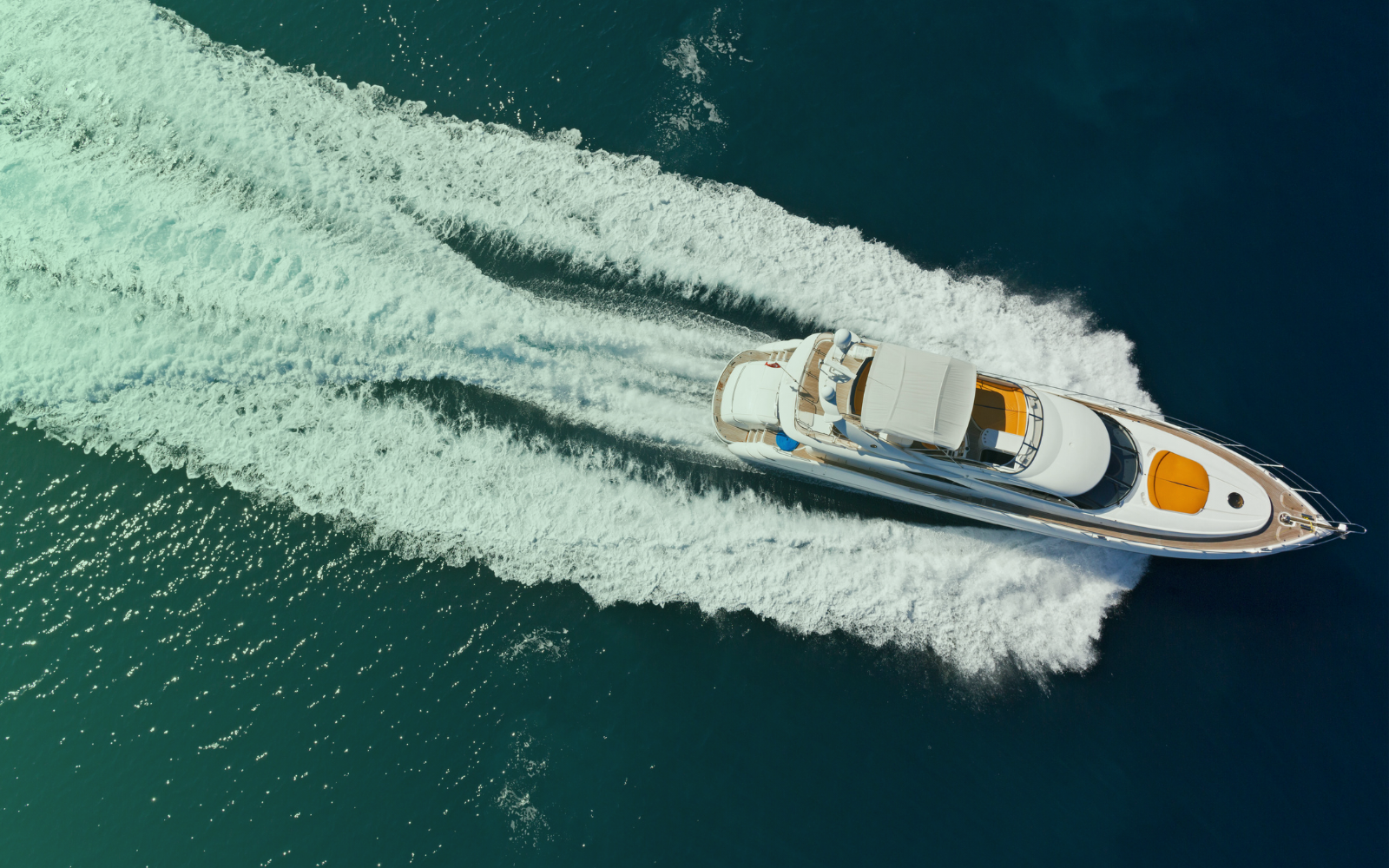
Owning a superyacht is no longer just about insuring the vessel. It's about managing a small operation.
When Yacht Ownership Becomes a Full-Time Operation
Superyachts are often treated as a single line on an insurance schedule. In practice, they behave more like small operations, complete with employees, international compliance obligations, and liability exposures that extend well beyond the vessel itself. For family offices, that means yacht risk can't be managed as a stand-alone policy. It has to sit inside the family's broader wealth and risk strategy.
That shift matters for advisors working with high-net-worth families. As more first-time owners enter the market and vessels grow more technically complex, the risks families face have moved past a simple hull and liability policy. Crew management, chartering activity, and international jurisdiction all now shape how a yacht risk program needs to be built.
Crew Risk Is the Biggest Blind Spot
Many first-time owners assume a yacht policy is all-encompassing once it's bound. In reality, coverage often depends on details owners rarely think about, like shipyard requirements, maintenance disclosures, and where crew members are working at any given time.
That last point catches many owners off guard. Crew members are sometimes asked to help with tasks that have nothing to do with the yacht, whether that's a domestic task around the house or bartending a family event. Once they step outside their yacht role, they're no longer covered under the yacht's insurance program. It's a gap most owners don't discover until something happens.
- What does the owner actually plan to do with the vessel (cruising, chartering, refit)?
- Is the yacht professionally managed?
- Who is responsible for hiring and training crew?
- Does coverage follow crew members once they're off the boat and performing other duties?
Chartering Adds a Different Kind of Exposure
Charter itineraries bring their own set of risks, from jet skis and scuba diving to local licensing rules that vary by jurisdiction. Under the most common charter agreements, guests are typically responsible for deductibles on damage they cause, which on a superyacht can run into six or seven figures. Owners who charter their vessels often need a separate charter's legal liability policy to cover exposures that fall outside the yacht's own coverage.
For family offices, all of this points to the same conclusion: yacht risk can no longer be managed in isolation. It needs to be treated as part of the family's broader wealth and risk management strategy, with a specialist who understands both the insurance market and the operational realities of ownership.
Comments
There have been no comments made on this article. Why not be the first and add your own comment using the form below.
Leave a comment
Commenting is restricted to members only. Please login now to submit a comment.