
Blog
Flood Risk Has Moved. Has the Conversation?
- By: PRMA
- On: 07/07/2026 15:36:28
- In: PRMA Insights
- Comments: 0
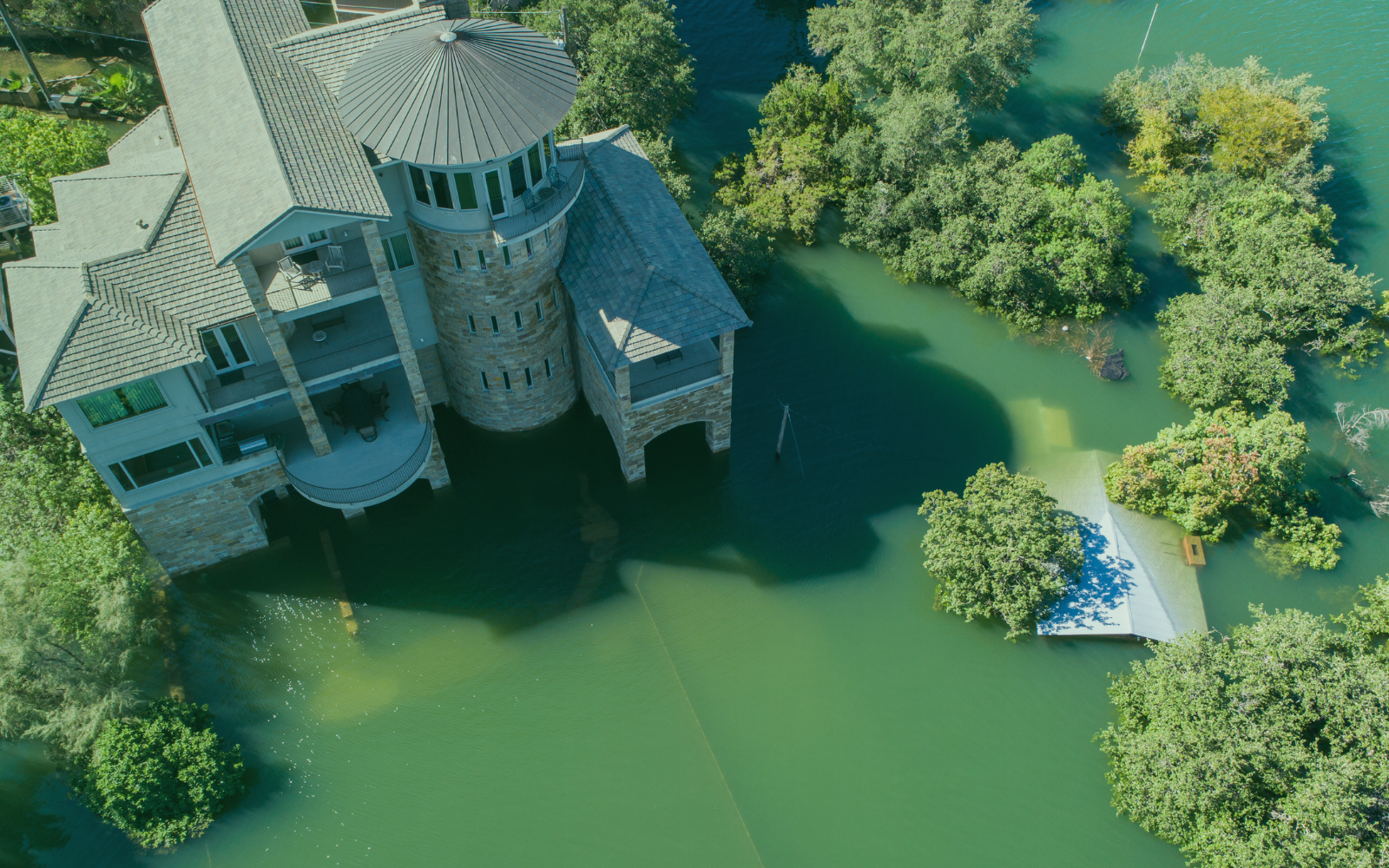
Flood risk has moved inland. The coverage conversation needs to follow.
Flood Risk Has Moved. Has the Conversation?
For decades, the flood conversation started with one question: are you in a flood zone? That framing is no longer holding up. Hurricane Helene pushed devastating flooding into Appalachian communities that had never considered themselves flood-exposed. Rainfall events are overwhelming drainage systems across the Midwest. And in Florida, where flood exposure should be most obvious, only 18.5% of homes ordered to evacuate during Hurricane Ian had flood insurance, according to Joe Rossi, President and CEO of Joe Flood Insurance Brokerage, speaking at a recent PRMA webinar. The risk has moved. The coverage conversation needs to follow.
In a June 2026 article for IA Magazine, PRMA CEO and Executive Director Diane Delaney examined how this shift is playing out across the high-net-worth market. The data makes the gap between homeowner confidence and actual coverage clear.
Awareness is improving. Personal risk recognition is not keeping pace. And in a market where clients assume they are protected, that gap has real consequences.
What the Zone Label Doesn't Tell You
FEMA flood zone designations were never designed to capture the full picture of flood exposure. As Rossi demonstrated in that same PRMA webinar, a property can sit in an X zone and still carry significant surge exposure. When surge modeling, elevation data, drainage patterns, and rainfall intensity are layered over a standard flood map, the risk picture looks fundamentally different. That distinction matters in any market environment, but especially now, when some property carriers are absorbing flood risk in a softening private market without fully pricing for it.
The same disconnect shows up in how clients think about their coverage. Many homeowners assume a standard homeowners policy responds to flood damage. It does not. The distinction between water damage, water backup, and flood is a specific and consequential one, and without a clear explanation, clients walk away with a false sense of security.
Instead of leading with the policy, try asking:
"If water entered your home, how would you want your insurance to respond?"
That question surfaces the coverage gap faster than any product explanation, and it keeps the conversation grounded in the client's real concerns.
- Could heavy rainfall overwhelm drainage or stormwater systems near this property?
- Has nearby development changed how water runs off the land?
- Does the home have finished lower levels that would sustain significant water damage?
- What would displacement look like for this household, and for how long could they sustain it?
- What can be transferred through insurance, mitigated physically, and what risk might the client be retaining without realizing it?
That last question reflects a framework Delaney outlined in her AM Best Audio conversation: helping clients understand what they can transfer through insurance, what they can mitigate physically, and what risk they may choose to retain. Making that part of every annual risk review, rather than a reactive post-storm conversation, is what separates proactive advisors from those still leading with the zone label.
For professionals working with complex households, this means the conversation extends well beyond the policy. It means discussing drainage maintenance, backup power, sump pump redundancy, and the vulnerability of high-value contents that a standard rebuild estimate does not account for. Flood preparation at this level is a risk management conversation, and the advisors having it proactively are the ones clients call first when a storm is in the forecast.
- Diane Delaney for IA Magazine. Flood Risk Moves Inland: How Agents Can Expand the Flood Coverage Conversation.
- Diane Delaney on AM Best Audio. PRMA's Delaney: Growing Inland Flood Risks Drive More Proactive Client Conversations.
- Joe Rossi, Joe Flood Insurance Brokerage. PRMA New England Chapter Webinar, 2026.
- PRMA. 2025 Private Client Insurance Insights Survey.
- Chubb. 2026 Flood Risk and Resilience Survey.
- Neptune Flood underinsurance data via IA Magazine.
Comments
There have been no comments made on this article. Why not be the first and add your own comment using the form below.
Leave a comment
Commenting is restricted to members only. Please login now to submit a comment.